
Organic vs. Conventional Snacks: Is the Price Difference Worth It?
Organic snacks often cost more than conventional alternatives. The difference can be noticeable when comparing similar products, such as chocolate, chickpea crisps, coated fruit, wafers, or bite-sized treats.
The higher price is not simply about branding. It may reflect organic farming practices, certification costs, smaller production runs, premium ingredients, ethical sourcing, and more sustainable packaging choices.
Whether the extra cost is worthwhile depends on what you value. Some shoppers prefer organic snacks because of how the ingredients are produced, while others focus on simple ingredient lists, real fruit, higher-quality cacao, or fewer synthetic additives.
At Healthy Essentials Australia, you can explore certified organic snacks across several categories and decide which products best suit your taste, priorities, and budget.
Why Do Organic Snacks Cost More?
Organic Farming Practices
Organic growers avoid most synthetic pesticides and fertilisers. They may instead use crop rotation, composting, cover crops, and other farming methods that can require more time and labour.
Certification And Auditing
Certified organic producers must meet established standards and maintain records relating to ingredients, processing, storage, and labelling. Inspections and ongoing audits add to the cost of producing the final snack.
Smaller Production Runs
Many organic snack companies operate on a smaller scale. They may not receive the same bulk ingredient prices, manufacturing efficiencies, or distribution savings available to large conventional brands.
Premium Ingredient Choices
Organic snacks may also contain ingredients that are naturally more expensive, including real fruit pieces, freeze-dried berries, cocoa butter, whole legumes, coconut oil, or higher-cocoa chocolate.
Sourcing And Packaging
Some brands support fair-trade or direct-trade sourcing, pay additional premiums to growers, or choose recyclable and compostable packaging. These commitments may also contribute to the retail price.
What Are You Paying For With Organic Snacks?
Depending on the product and brand, the organic price premium may reflect:
- Lower use of synthetic pesticides during growing
- Certified organic sugar, oils, cacao, fruit, or dairy ingredients
- Shorter and more recognisable ingredient lists
- Fewer synthetic colours, flavours, and preservatives
- Real fruit instead of fruit-style flavouring
- Real cocoa butter instead of substitute fats
- Farming practices that support soil health
- Fair-trade or ethical sourcing commitments
- Recyclable, compostable, or reduced packaging
However, organic certification describes how ingredients are produced. It does not automatically make a snack low in sugar, low in calories, allergen-free, or nutritionally balanced.
What Organic Does Not Automatically Mean
- Organic does not always mean lower sugar: Organic cane sugar is still a form of sugar.
- Organic does not always mean lower calorie: Chocolate, coconut, nuts, and dried fruit can still be energy dense.
- Organic does not mean allergen-free: Products may still contain milk, nuts, gluten, or soy.
- Organic does not always mean vegan: Some products contain milk solids, butter, or honey.
- Organic does not guarantee better taste: Flavour and texture preferences are personal.
Always check the ingredient list, nutrition information panel, allergen statement, certification logo, and serving size before choosing a snack.
How To Decide If Organic Snacks Are Worth The Price
Compare The Cost Per 100g
Pack sizes can make price comparisons confusing. Instead of looking only at the total pack price, compare the cost per 100g to understand the actual difference.
Read Both Ingredient Lists
Place the organic and conventional ingredient lists side by side. A higher price may feel more reasonable when the organic option contains real fruit, cocoa butter, whole legumes, or fewer synthetic additives.
Consider How Often You Buy It
Paying slightly more for an occasional treat may have little effect on your weekly budget. However, the cost can increase quickly when purchasing daily lunchbox snacks for a larger household.
Prioritise Your Favourite Products
You do not need to replace everything in your pantry. Many shoppers purchase organic versions of the snacks they eat most often while continuing to buy conventional alternatives in other categories.
Think About Portion Satisfaction
Rich dark chocolate, coated fruit, and dense wholefood bites can be satisfying in smaller portions. A premium product that lasts several servings may provide better value than expected.
Organic Snacks Available At Healthy Essentials Australia
 |
Dr Superfoods Organic Dark Chocolate Raspberries 125g These organic dark chocolate raspberries combine whole freeze-dried raspberries with a rich dark chocolate coating. The concentrated berry flavour provides a tart contrast to the deeper cacao notes. This product demonstrates why some organic snacks cost more. Real raspberries and organic dark chocolate are generally more costly than artificial fruit flavouring and compound chocolate coatings. The resealable 125g pack also makes portioning easier. |
 |
Ceres Organics Original Coconut Wafer Rolls 80g These light and crispy wafer rolls offer a mild coconut flavour with a delicate crunch. Their airy texture makes them a useful alternative for people who find filled wafers or rich biscuits too heavy. The 80g pack is convenient for afternoon tea, lunchboxes, travel, and sharing. They can also be served with fresh fruit, coconut yoghurt, or sorbet for a simple dessert. |
 |
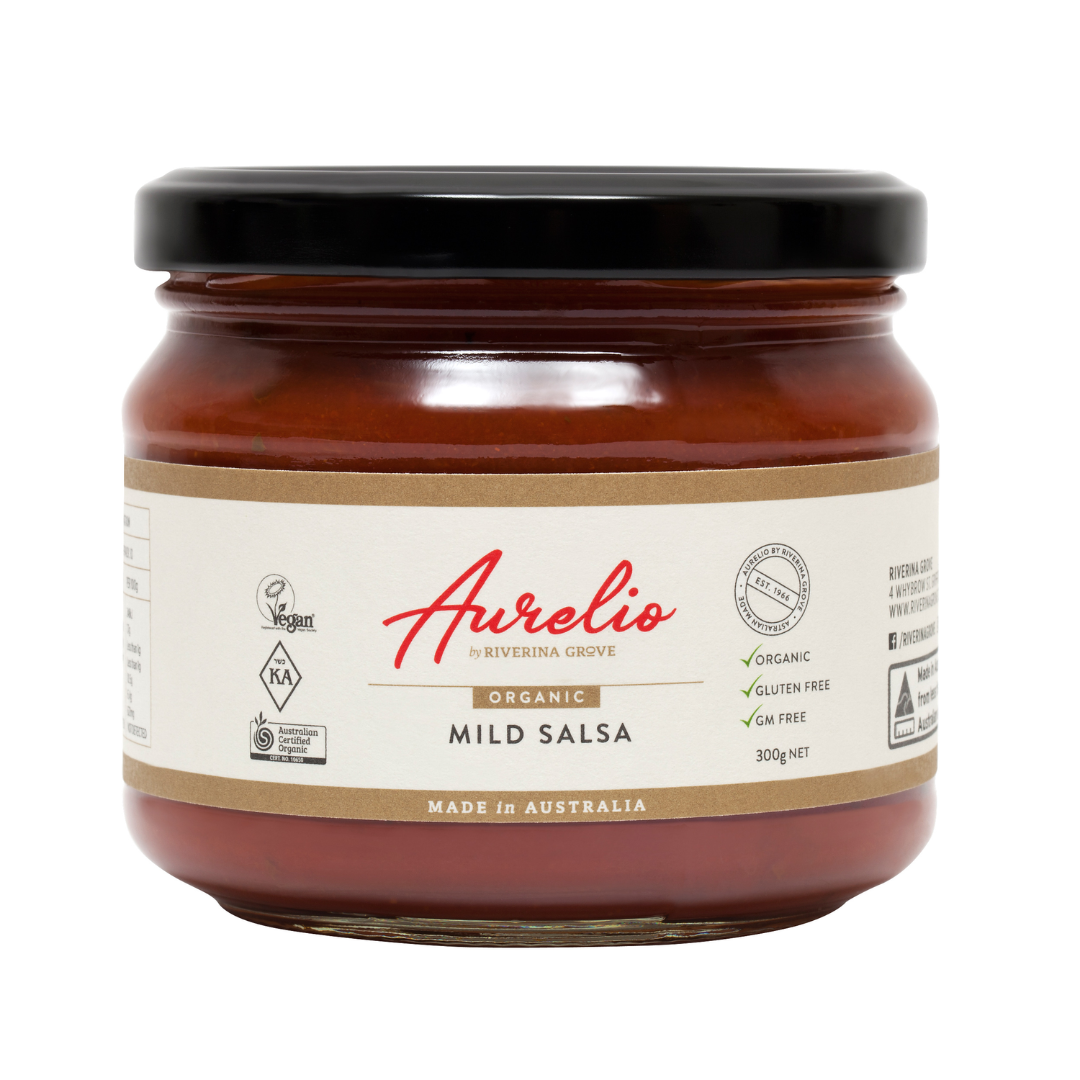
Ceres Organics Himalayan Chickpea Crisps 100g Made with organic chickpeas and seasoned with Himalayan salt, these crisps provide a crunchy alternative to standard potato-based snacks. Chickpeas give them a slightly nutty flavour and a firmer bite. The 100g pack is suitable for work snacks, lunchboxes, sharing, and casual entertaining. The crisps can also be served with hummus, guacamole, tomato salsa, or a yoghurt-based dip. |
 |
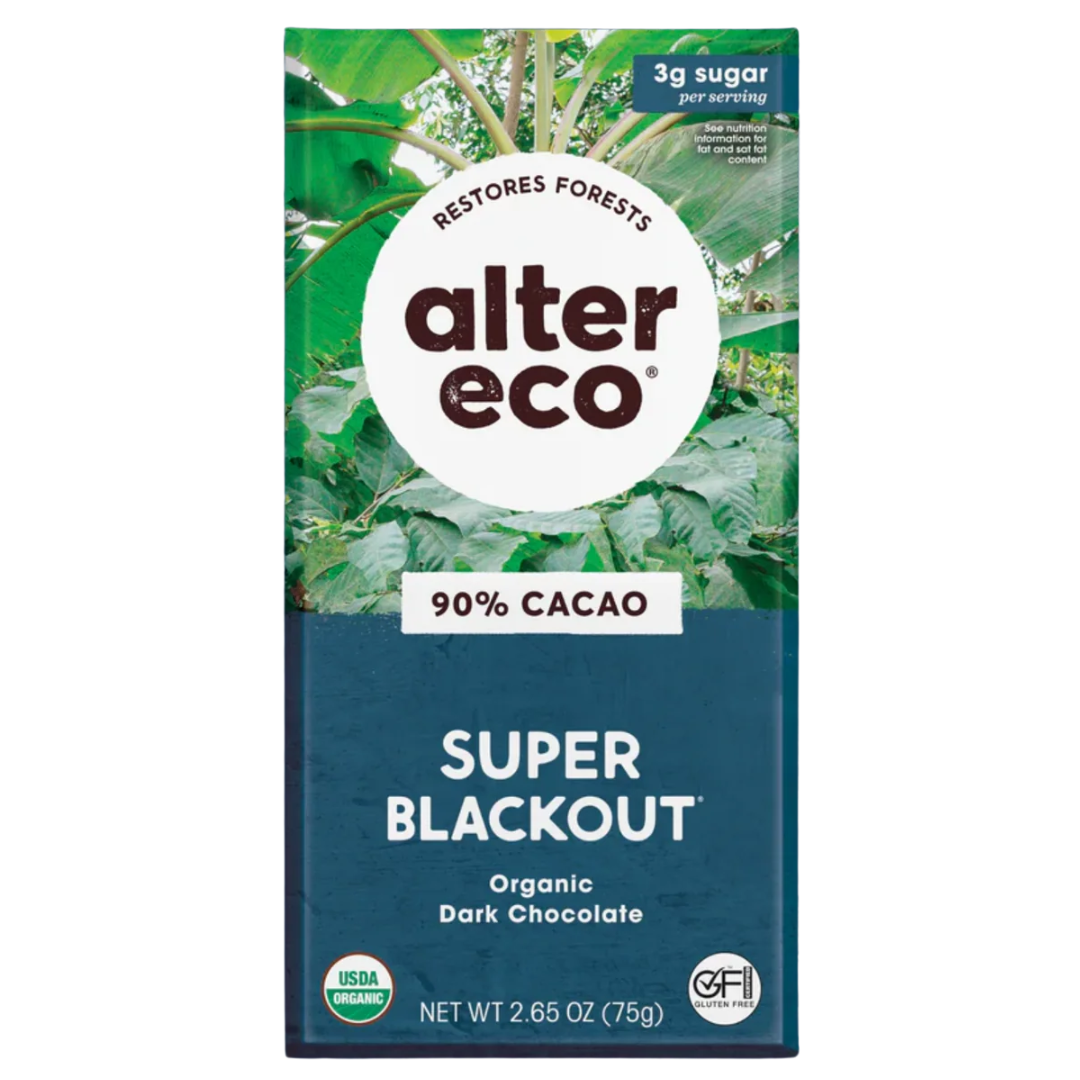
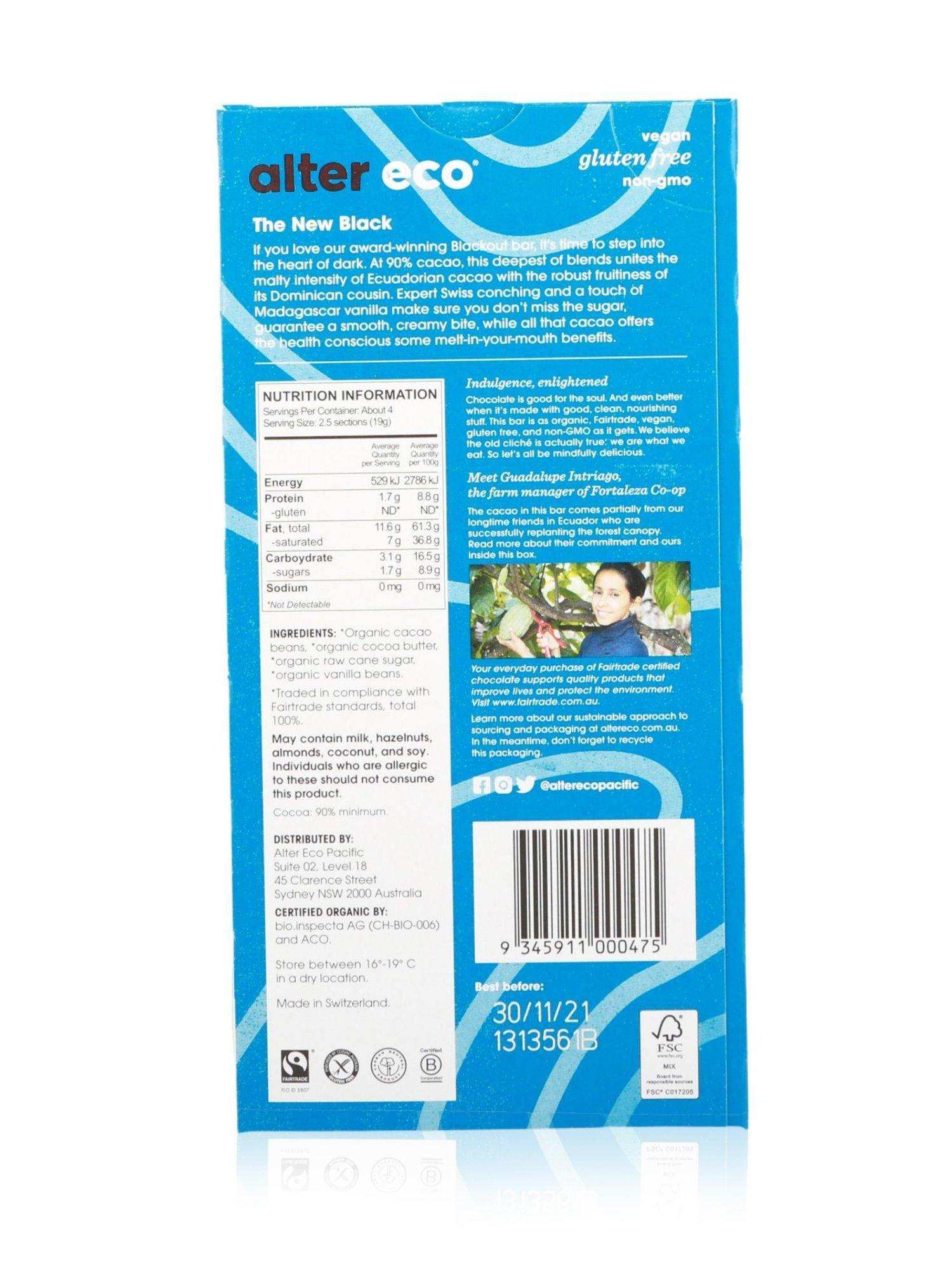
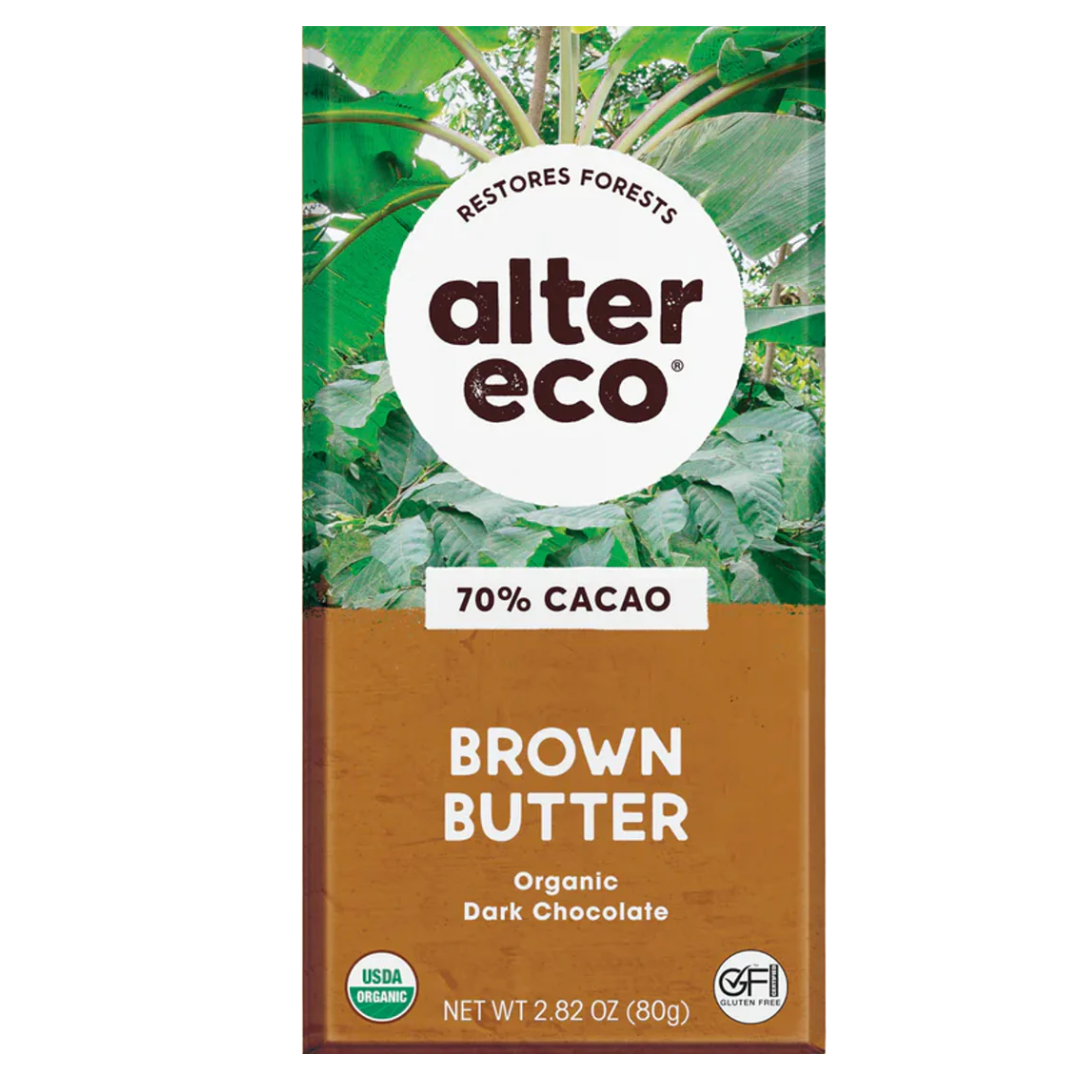
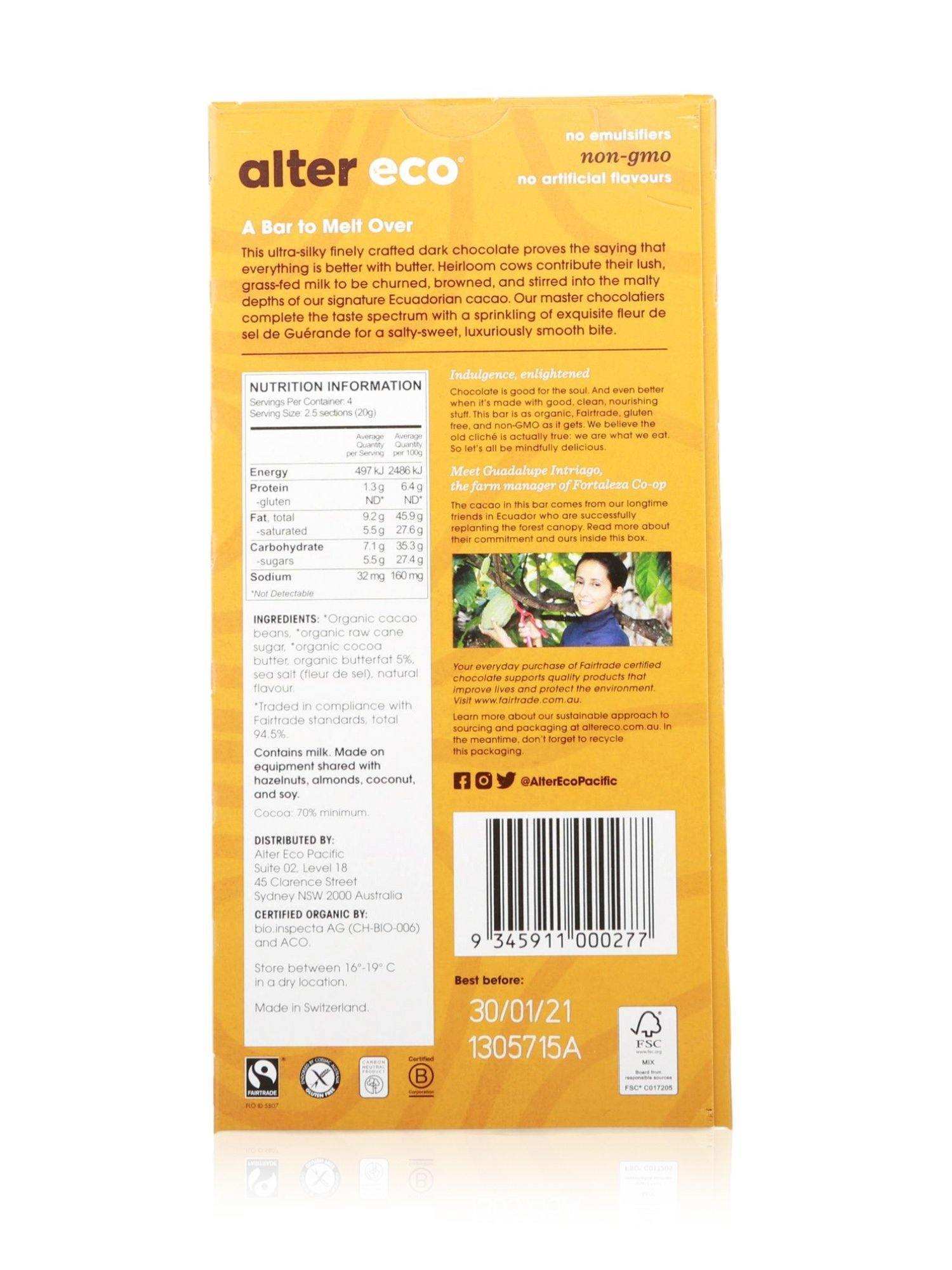
Alter Eco Organic Chocolate Deep Dark Blackout 80g This high-cocoa dark chocolate block is designed for people who prefer an intense cacao flavour rather than the sweeter taste of milk chocolate. It delivers deep roasted notes with a smooth finish. The richness of high-cocoa chocolate may also make a small serving feel more satisfying. Enjoy one or two squares, grate it over desserts, serve it with fresh berries, or melt it into a chocolate sauce. |
 |
Organic Times Dark Chocolate Sultanas 150g These organic sultanas feature a chewy fruit centre surrounded by a firm dark chocolate coating. The combination offers contrasting textures and a balanced mix of fruit sweetness and cacao flavour. The 150g size is suitable for sharing, movie nights, road trips, grazing boards, and occasional lunchbox treats. Small portions can also be added to yoghurt, porridge, or homemade trail mix. |
 |
Organic Coconut Bites White Choc Mocha 60g These bite-sized snacks combine textured coconut, creamy white chocolate, and a mild mocha flavour. The coffee notes help balance the sweetness and richness of the white chocolate. The individually sized bites make portioning simple and are easy to carry in a work bag or lunchbox. They are ideal for afternoon breaks, dessert platters, or enjoying alongside a hot drink. |
 |
Organic Coconut Bites Mint Chocolate 60g These coconut bites combine chocolate with a cool mint flavour, creating a refreshing alternative to traditional chocolate snacks. The coconut adds texture while the mint helps balance the richness. The compact 60g pack is suitable for handbags, work desks, lunchboxes, and travel. The bites can also be chilled before serving for a firmer texture and more noticeable mint flavour. |
 |
Organic Wholefood Fudgy Bites Chocolate Raspberry 120g These soft, dense bites combine cocoa and raspberry for a rich, fudge-like texture with a tart-sweet flavour. The raspberry adds brightness and helps balance the deeper cocoa notes. The 120g pack is convenient for work bags, lunchboxes, road trips, or an occasional post-exercise treat. Wholefood-style bites can be quite satisfying, making them easy to divide into smaller portions. |
Practical Ways To Manage The Organic Price Premium
- Compare prices using the cost per 100g
- Buy larger packs and divide them into smaller portions at home
- Choose richer products that are satisfying in smaller amounts
- Stock a few favourite organic snacks instead of buying every variety
- Add organic treats to yoghurt bowls, fruit plates, or homemade trail mix
- Look for multipacks, value packs, bundles, and promotional offers
- Keep a mixture of organic and conventional snacks in your pantry
- Reserve premium products for occasional treats rather than everyday use
So, Are Organic Snacks Worth The Extra Cost?
The answer depends on your priorities. Organic snacks may feel worth the premium when you value organic farming practices, shorter ingredient lists, real fruit, higher-quality cacao, or brands with specific ethical and sustainability commitments.
The extra cost may feel less worthwhile when your main priority is the lowest cost per serving, especially when buying large quantities for a household. A conventional product may also be the better choice when its ingredients, flavour, and nutritional information already meet your needs.
For many shoppers, the most practical approach is to choose organic selectively. Purchase organic versions of the snacks you enjoy most, compare the ingredients and cost per 100g, and keep a balanced mixture of organic and conventional products.
Explore Organic Snacks At Healthy Essentials Australia
Healthy Essentials Australia stocks organic chocolate, coated fruit, chickpea crisps, coconut wafers, wholefood bites, and other treats across a variety of flavours and pack sizes.
Explore the organic snack range, compare the available options, and decide which products offer the right balance of taste, ingredients, quality, and value for your budget.